It’s not all…
...‘rose-tinted’ you know!
Now, I don’t often admit that I’m wrong, but way back in issue #05 I found myself bemoaning the fact that it seemed many aspects of modern life tended to get in the way of my children’s childhood, especially compared to the things I used to do in my own childhood. I’m now forced to rethink that thanks to a profound experience with a book.
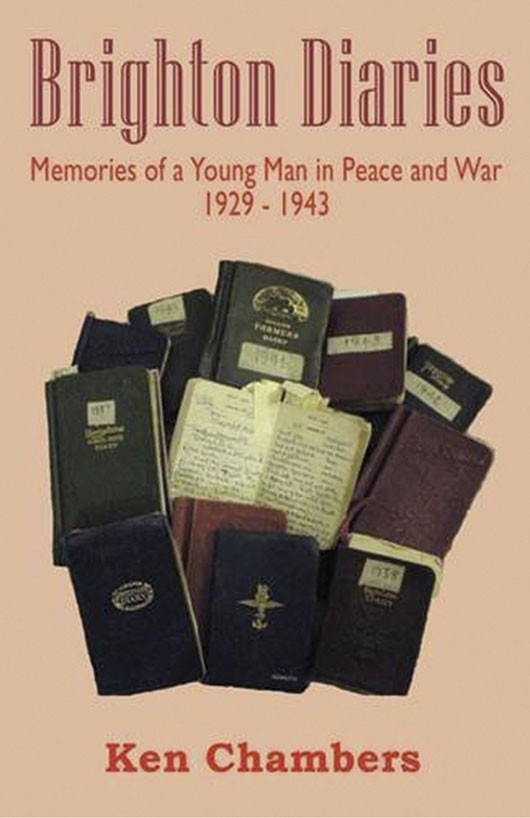
One Saturday morning, the day before Remembrance Sunday as it happens, I made a visit to the local library so that the family could swap out some books and toys we had borrowed. On a table near the entrance they had put together a display of titles relevant to the following day; factual books about the First and Second World Wars, fictional books set during these conflicts, and various other tomes with ties to the period. One of these caught my eye; a book titled ‘Brighton Diaries’ by Ken Chambers. Aside from the relevance to my locale, it was the subtitle of the publication that interested me the most: “Memories of a Young Man in Peace and War 1929 – 1943”, so I grabbed the book and checked it out of the library, mainly to reference the photographs in the book to see what the author was wearing at the time.
It then sat on my shelf for more than a week or so before I finally picked it up and started reading. Only then did I understand the relevance of the book I was holding. Not only did Ken Chambers grow into his adulthood in Brighton during a period of considerable interest to me, he did so whilst living just two roads away from my own house! His experiences in the first third of the book centre around the very streets I walk everyday, to and from the office so, more than ever before in a biography or autobiography, I could place myself directly into the places he was describing.
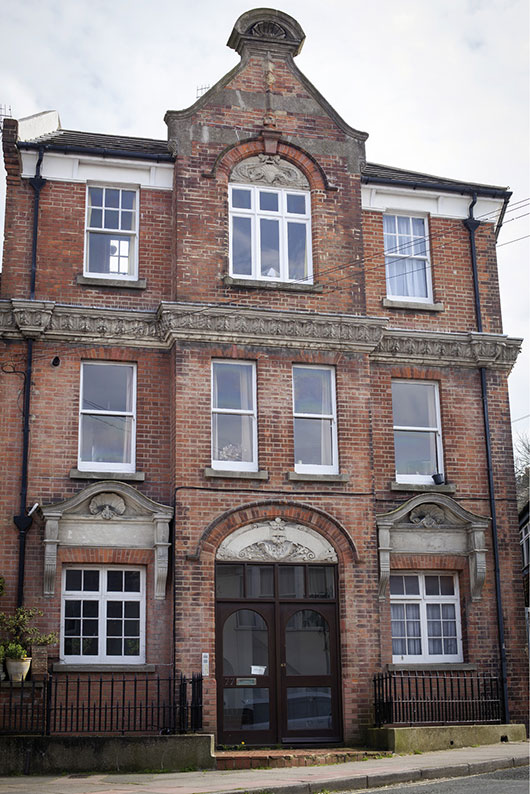
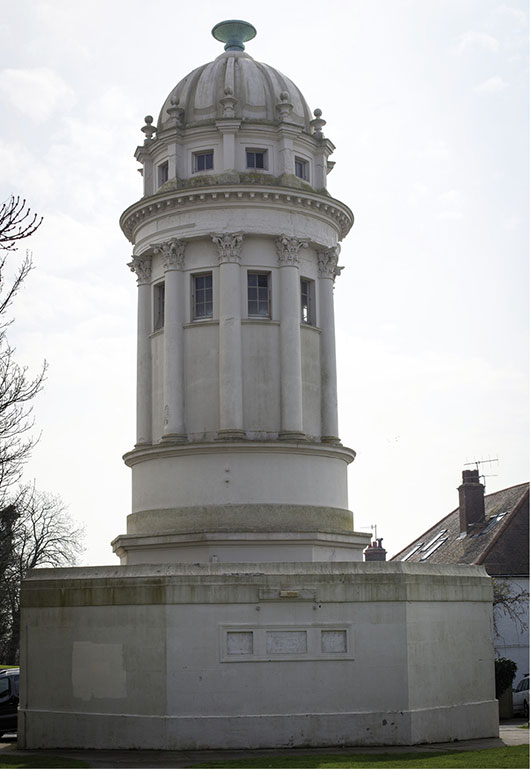
Obviously some of the topographic landscape has changed since then but one of the things that struck me, more than just occasionally going “oh, that’s what that was before” was how little had actually changed. A number of the significant places he spends time are no longer there, the church hall, which is now a ‘60s built block of flats, the reservoir he has to patrol as a member of the Home Guard is now also a block of flats, but nearly everything else, his house, the pub, the church, the communal baths are all still there (perhaps not serving the same purpose admittedly).
Of particular interest to me is the fact that as teenagers, Ken, his cousin Cyril, and other friends frequently got on their bikes and rode over the top of the South Downs (we live at the highest point in Brighton) to a small village called Barcombe where they have befriended a local farmer and are allowed to camp and store their camping equipment on his farm. Barcombe is a favourite place of ours and we frequently visit for walks almost monthly during the Spring, Summer and Autumn. I often lament that the train line no longer runs through the area as it would have in Ken’s day (damn you Beeching!), but walking the abandoned lines is quite fun.