INFocus
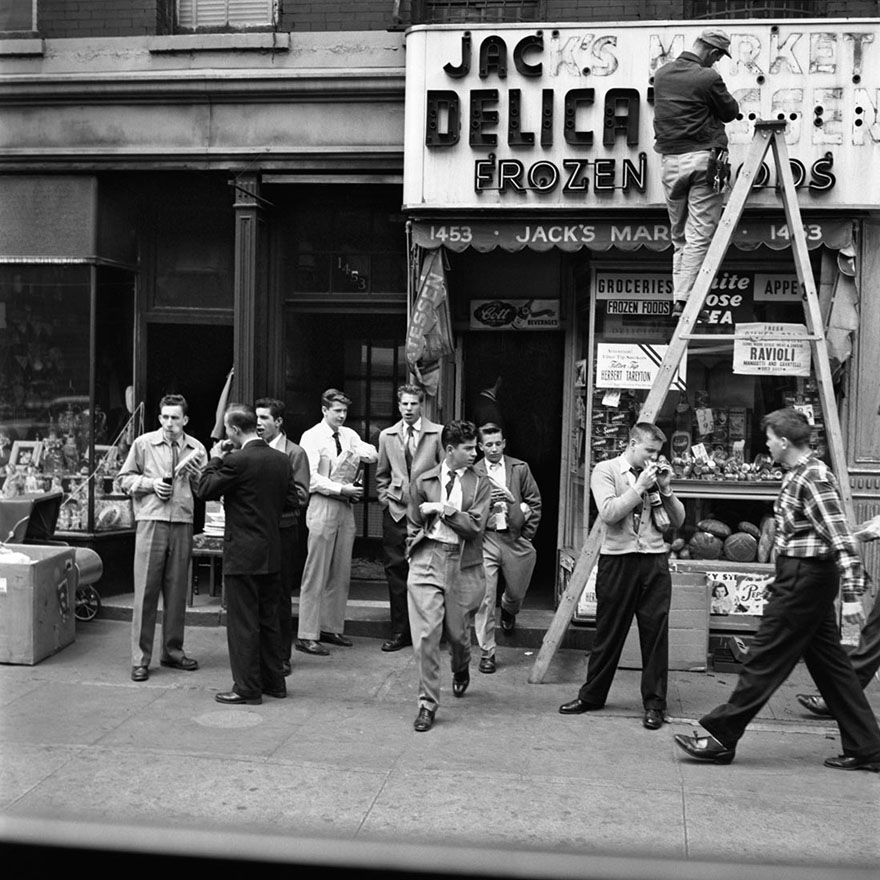
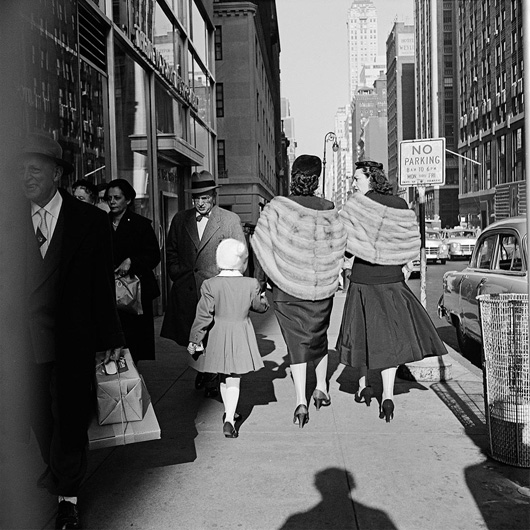
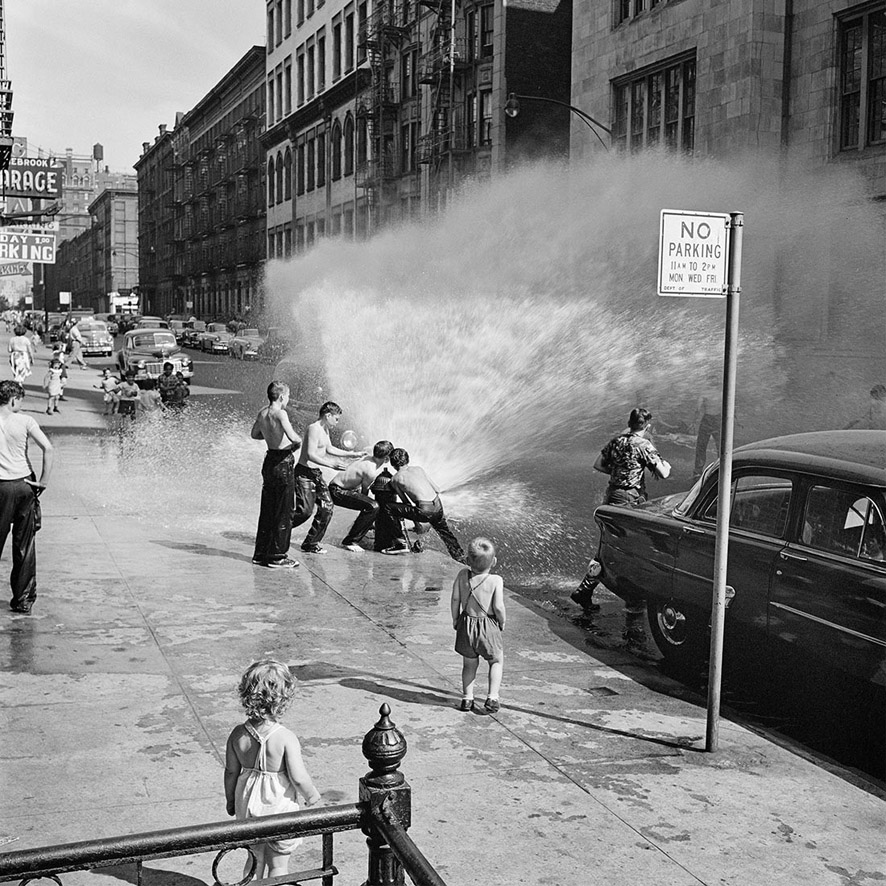
When John Maloof had the winning bid of just under $400 on a box of negatives at a Chigaco auction house in 2007, he couldn’t have had any idea that these delicate yet discarded sheets of film taken by an unknown photographer held memories of a secret world. Hoping that this unassuming box of negatives would actually hold images of the local neighbourhood for a book he was in the process of writing, this winning bid turned out to be so much more, a purchase that would lead to one of the greatest discoveries in the history of photography.
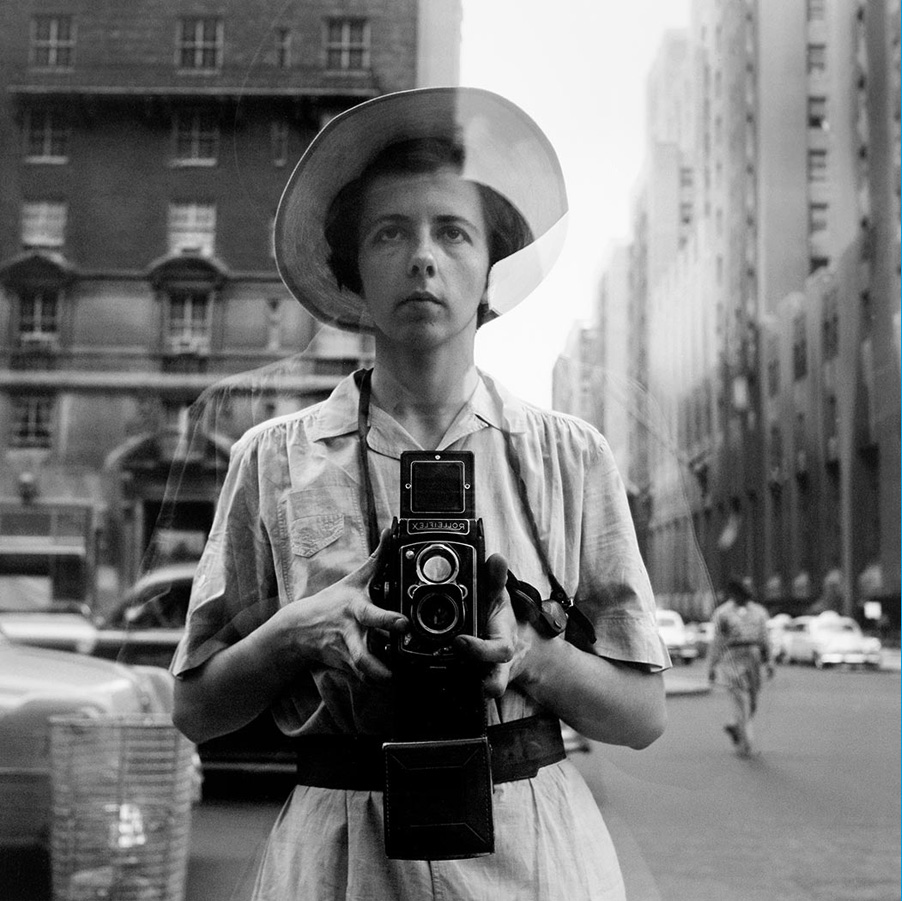
A name on the box led to a search which produced so many questions that the story of this incredible find has now become a documentary on the life and work of Vivian Maier, a non-professional photographer, who is now being hailed as one of the most remarkable photographers of her time.
To photography and history lovers alike, the discovery of Vivian Maier’s work is comparable to finding buried treasure. Maloof’s documentary Finding Vivian Maier may reveal more about the woman behind the pictures, but we wonder if it will in fact unearth more questions than answers…


In a world where we’re now bombarded with imagery and with photographs being published online often within seconds of being taken, it’s never been easier for people to share snapshots of time in the world around them. Scroll through an app like Instagram and within minutes you can travel the world in pictures, from carefully posed selfies and still life food shots to more candid reportage and street style photography.
With technology feeding the desire of modern society to see the results of our photographic adventures as they happen, it’s hardly hardly surprising that the art of traditional film photography can sometimes feel like a dying skill. Just imagine taking tens of thousands of photographs that are for your eyes only, a collection of images that document the world as you see it but a view that’s not for sharing with anyone else.
Now imagine taking thousands of images as you travel through life and never ever developing the results. Those moments in time, the few seconds it takes to pass a stranger in the street, a brief glimpse into someone else’s day, all captured on film but never relived, never retold, never archived on paper to be touched, turned or explored.
When Maloof bought that box of negatives a hunt for Vivian Maier began, and with it, a quest to see if there were more images out there waiting to be reunited and archived as a collection.